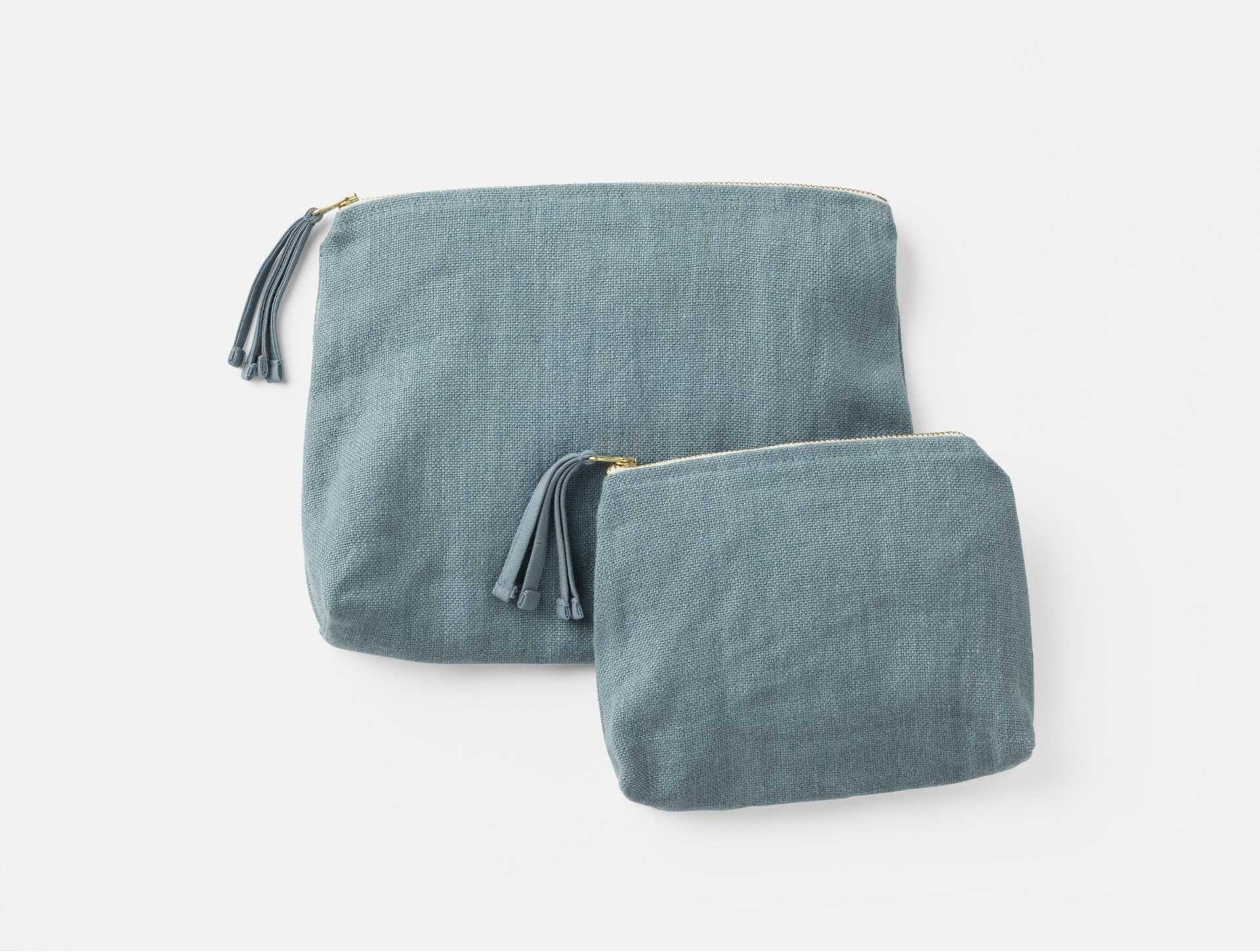
Material guide Clothing and Accessories
Belgian Linen in Everyday Carry: What Sets Libeco Totes Apart
A tote earns its place in daily life by being ready for the ordinary: a market stop, a commute, an overnight change of plans. With linen, the details matter as much as the silhouette. Weight, weave, finish and thoughtful construction all influence how a bag feels in the hand—and how well it serves once the day gets moving.
Published October 28, 2026
A good everyday bag is less about making an entrance than making life easier. It needs room for the things that follow you from one commitment to the next, handles that feel comfortable when the contents add up, and a shape that can take a little daily wear without becoming precious. Linen brings a particular character to that practical brief: it is tactile, breathable and naturally relaxed, with a surface that looks at home in both quiet and busy settings.
Libeco’s linen totes make a useful case study in how material and construction shape the experience of carrying. The Atlas Shouldersac uses 100% linen with a stonewashed finish, stripe detailing and linen-trimmed handles. The James Shouldersac takes a more substantial approach, pairing washed linen with an interior herringbone lining and two zipper pockets. Their differences are not simply a matter of appearance. They point to choices that can affect structure, organization, care and the kinds of days each tote suits best.
Here is what to look for when comparing washed linen with heavier linen fabrics—and how to decide which details matter for your own everyday carry.
Why linen feels different in a tote
Linen’s appeal begins with its unmistakable hand. Depending on the yarn, weave and finish, it can feel crisp and dry, soft and yielding, or somewhere in between. Unlike a smooth synthetic surface, linen often shows small variations in texture. Those irregularities are part of its visual character: they catch the light differently across the fabric and give the bag a lived-in quality rather than a perfectly uniform finish.
That texture can also make the material feel approachable. A linen tote does not necessarily look as formal as a structured leather bag or as sporty as a technical nylon carrier. It can move easily between errands, workdays and travel because its natural-looking surface gives a simple shape plenty of personality. The precise effect, however, depends on the cloth. A light, fluid linen behaves differently from a dense, weighty fabric, even if both are made from the same fiber.
For everyday carry, the key question is not whether linen is “better” in the abstract. It is whether a particular fabric and construction match what you plan to carry. A tote used for a notebook, wallet and light layer has different demands from one expected to hold groceries, books or travel essentials. Thinking about your routine first makes the material details easier to evaluate.
Washed linen: relaxed character, easier movement
Washing can change the way linen looks and feels. A washed finish generally softens the fabric’s initial hand and gives it a more relaxed appearance. Rather than reading as stiff or sharply crisp, the textile can feel gentler and more flexible from the outset. In a tote, that may mean the bag settles comfortably against the body and folds down more readily when it is not full.
The Atlas Shouldersac is described as stonewashed, with a 100% linen body and pure linen handle trim. The finish supports the bag’s soft, worn-in character, while stripe detailing brings definition to the otherwise natural appeal of the cloth. Its light carry and refined, clean look are suited to people who want a linen bag that feels easy to bring along, rather than one that insists on holding a rigid outline.
Washed does not mean careless or flimsy. It describes a treatment that affects the textile’s surface and hand; it does not, on its own, tell you everything about the bag’s strength. Look at the cloth weight, stitching, handle attachment and how the bag is intended to be used. A supple tote may be a lovely choice for lighter daily essentials, but any fabric can be strained if it is repeatedly overloaded.
There is also a visual advantage to a relaxed finish: it can be forgiving in the rhythm of everyday life. A tote that softens naturally may look at ease beside casual clothing, and minor creasing tends to feel consistent with linen’s character rather than like a flaw that needs constant correction. If you enjoy a bag that develops an informal, personal feel with use, washed linen may appeal.
Heavier linen: more body, more presence
Fabric weight is one of the most useful clues when comparing totes. It is commonly expressed in grams per square meter or ounces per square yard. A higher number indicates more textile mass over a given area, though it does not automatically guarantee a better bag. Fiber quality, weave density, finishing and sewing all contribute to performance. Still, weight can help you anticipate whether a fabric is likely to feel airy and pliable or denser and more substantial.
A heavier linen can give a tote more body. It may hang with a stronger sense of substance and feel reassuring when carried, particularly when the bag is designed for regular use. A dense cloth can also lend a simple silhouette visual weight, making the tote feel more like a considered accessory than an emergency carryall. The trade-off is that heavier fabric may be less yielding and can add weight before you place anything inside.
The James Shouldersac is made from 100% linen with a washed finish and is described as a sturdy tote in natural tones. Its flax-and-black trim, black-and-flax herringbone lining and two internal zipper pockets give it a more detailed interior than a simple open bag. The linen is woven in Belgium with European flax yarn, and the Belgian Linen label identifies the fabric’s European origin and craftsmanship. Those points provide concrete context for understanding the material and construction, without suggesting that a label alone determines how a bag will perform for every owner.
When considering a heavier style, think about what the added structure will do for your routine. If you often carry a tablet, a book or several small items, a more substantial body and internal pockets may help the bag feel organized. If you prefer to fold a tote into a suitcase or tuck it into a larger bag, a softer, lighter construction may be more convenient. Neither preference is universal; the best option is the one you will actually reach for.
Weave and finish: the quieter details behind the feel
Weight tells only part of the story. Weave influences how a fabric behaves, how much texture is visible and how it responds to movement. Tightly packed yarns can create a denser surface, while a more open construction may feel lighter and more flexible. The weave can also affect how the fabric drapes. A tote that slouches softly when empty offers a different experience from one that keeps a clearer shape on a chair or hook.
Finishing treatments add another layer. Stonewashing, as used on the Atlas, is associated with a softer, more relaxed surface. A washed finish on the James likewise supports its easy, everyday character, while its trim and lining create contrast and visual definition. Reading product details closely is helpful because broad labels such as “linen” or “Belgian linen” cannot tell you, by themselves, whether a particular bag will feel crisp, soft, light or weighty.
Texture is personal, too. Some people like the visible slubs and natural variation that give linen its distinctive appearance. Others prefer a smoother surface or a more controlled silhouette. If you can handle a tote in person, notice how the fabric feels at the body and handles, whether it springs back after being folded, and how the empty bag hangs. If you are choosing online, look for specific material descriptions and construction details rather than relying only on a lifestyle image.
Lining, pockets and the small things that change a day
An open tote is wonderfully uncomplicated: there is little to fuss with, and larger objects can slip in and out quickly. But convenience can turn into a jumble when keys, a phone, transit cards and other small essentials settle at the bottom. Interior organization is one of the clearest distinctions between a basic carryall and a tote designed to manage daily details.
The James includes two zipper pockets inside. That feature gives smaller belongings a designated place and adds a layer of containment within the main compartment. It may be useful for items you want to find quickly or keep separate from books, clothing or other contents. Pockets do not replace a secure closure across the top, so consider whether the tote’s overall opening suits your commute or travel habits.
A lining can influence how the interior feels and functions. The James has a herringbone lining in black and flax, adding a contrasting surface and a more finished interior. A lining may also help define the inside of a bag, but it can affect weight and the way the fabric falls. Check the product description rather than assuming that every linen tote is lined—or that a lining necessarily makes a bag waterproof or stain-resistant.
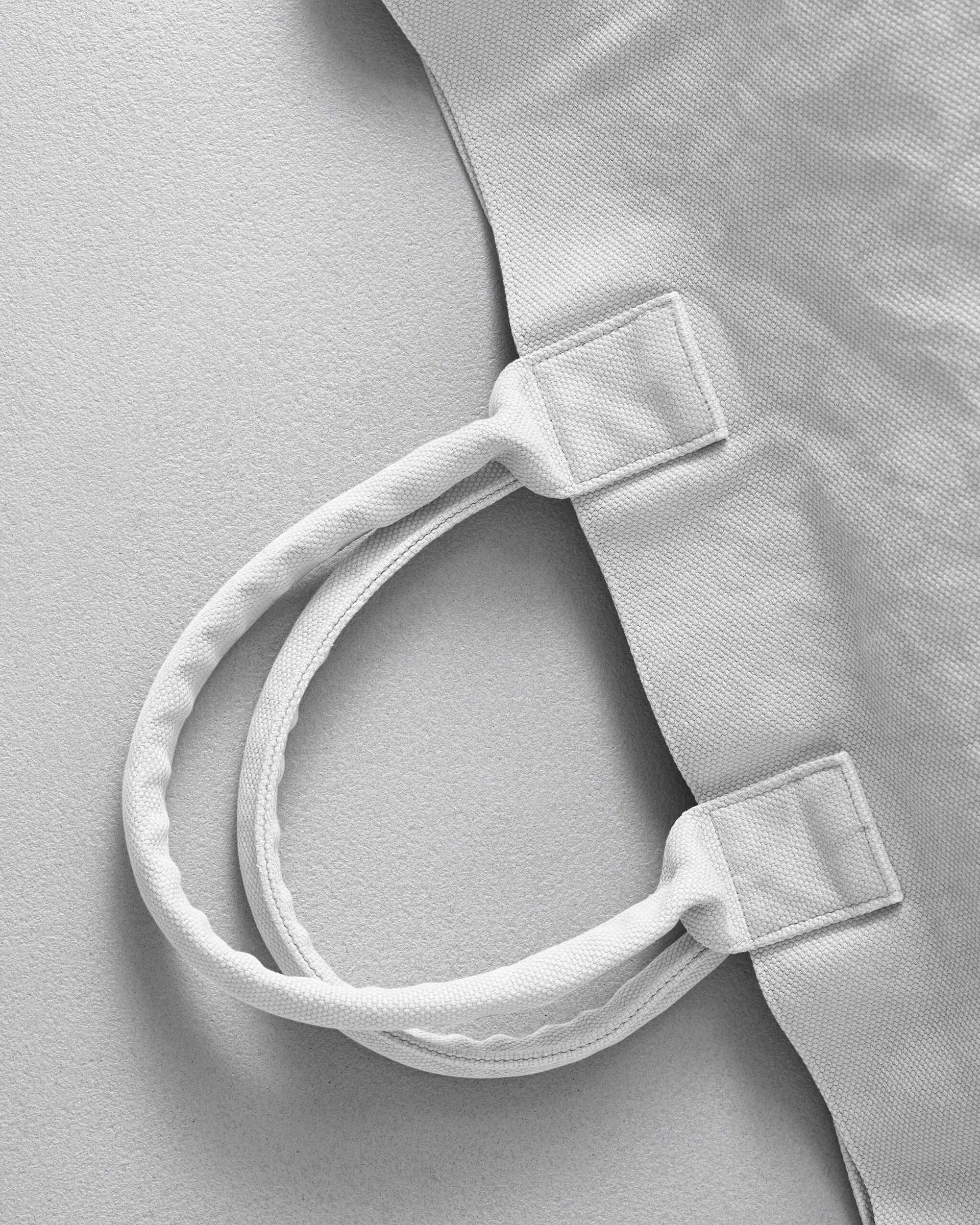
Handles deserve equal attention. Their width, length, material and attachment points help determine how the bag sits on the shoulder and how weight is distributed. The Atlas features pure linen trim on the handles; the James combines its linen body with considered trim details. Before choosing, picture the bag carried with the coat or layers you wear most often. A handle that feels comfortable in warm weather may fit differently over a thicker jacket, and a shoulder bag should suit your carrying preference rather than simply look good at rest.
Choosing between Atlas and James
It helps to compare these Libeco styles by asking what you want the tote to do. The Atlas has a stonewashed linen body, stripe detailing and linen-trimmed handles. Its defining impression is a light, relaxed carry with a clean look. It may be a natural fit for everyday essentials when you value softness and an easygoing profile.
The James presents a more structured set of practical details: sturdy washed linen, an interior herringbone lining and two zipper pockets. Its Belgian-woven linen and European flax yarn are specified in the product information, making provenance part of the material story. It may suit someone who appreciates an organized interior and a more substantial-feeling tote.
These descriptions are starting points, not promises that one style will suit everyone. Ask yourself:
- Will the bag mostly carry light essentials, or do you regularly bring heavier items?
- Do you prefer a soft tote that can relax and fold, or a bag with more body?
- Are interior pockets important for keeping small belongings easy to locate?
- Would a lining be useful for your routine, or do you prefer a simpler interior?
- How important are fabric origin, finishing and detailed material information in your decision?
- Are you comfortable with linen’s natural texture and the creasing that can come with use?
Answering those questions can make the decision feel less like a choice between two attractive names and more like a practical match between bag and day.
Care: keeping a linen tote in rotation
Care instructions vary by product, and following the specific label is the safest place to begin. The James Shouldersac’s listed care guidance recommends machine washing at a maximum of 40°C with mild soap, line drying preferred, and ironing with steam while the fabric is slightly damp. That is more useful than assuming that every linen bag can be washed in exactly the same way.
Before laundering any tote, empty all pockets and check the construction. Consider whether the bag has a lining, trims, contrasting colors or other details that may need particular attention. Use a mild detergent and avoid exposing the fabric to harsher treatment than the care guidance recommends. Shape the bag while it is damp and allow it to dry thoroughly before storing it. If you are unsure about a finish or a mark, a cautious spot test or professional advice may help prevent an avoidable mishap.
Regular care is not only about washing. Emptying the tote between outings helps prevent crumbs and dust from settling into the corners. A quick check of seams, handle attachments and pocket closures can reveal wear early, before a small repair becomes a larger problem. When the bag is not in use, store it clean and dry, away from prolonged direct sunlight or damp conditions.
Linen’s relaxed appeal means it need not be pressed into a perfectly crisp shape after every trip. Some creasing is part of how the fabric behaves. If a neater appearance is your preference, the care details for the particular style can guide you; if you enjoy the softer, lived-in look, ordinary folds may simply become part of the bag’s everyday character.
A better everyday carry starts with honest expectations
It is tempting to treat natural fibers as shorthand for every desirable quality, but the more useful approach is to look at the whole object. A tote is a combination of cloth, seams, handles, lining, pockets and finishing. The word “linen” tells you about its primary fiber; the rest of the specification helps reveal how the bag is put together and what sort of use it may suit.
Belgian Linen can also refer to a textile’s documented origin and production context, not a guarantee that every bag bearing a linen description is identical. For the James, the supplied details identify Belgian weaving with European flax yarn. For the Atlas, they describe 100% linen and a stonewashed finish. That specificity allows a more grounded comparison than broad claims about quality or durability alone.
Consider the bag’s likely load and your willingness to care for it. A tote meant for light errands may not need a dense fabric or a pocketed interior. Someone commuting with several small essentials might appreciate the James’s zip pockets. Someone drawn to a softer, streamlined carry may gravitate toward the Atlas. Matching construction to use can make a bag feel more satisfying over time than choosing by appearance alone.
The takeaway
What sets Libeco linen totes apart is not one feature in isolation, but the way material choices work together. Washed linen can bring softness and an easy, relaxed hand. A heavier cloth can offer more body and presence. Weave and finish shape the texture; lining and pockets determine how the interior supports your routine; handles influence comfort; and care instructions help you understand what ongoing use asks of you.
The Atlas and James show two distinct expressions of that everyday balance. One pairs stonewashed linen with stripe details and a light, clean look. The other combines washed linen with a lined interior and two zipper pockets, alongside specific information about Belgian weaving and European flax yarn. Neither needs to be the universal answer. The right tote is the one whose weight, feel and organization make sense for the things you carry—and whose character you will enjoy seeing become part of your daily rhythm.